
Natural Ingredients for Men's Wellness
Informational content on plant-based ingredients and nutrition in the context of wellbeing after 40
Understanding Natural Components
Natural ingredients in the context of nutrition and care refer to substances derived from plants, minerals or other natural sources that have been part of dietary and lifestyle traditions. This section explains these concepts in general terms for educational purposes only. We do not recommend specific products or outcomes.
Nutritional Context After 40
Diet and lifestyle are often discussed in relation to general wellbeing at different stages of life. This overview describes how natural ingredients and dietary patterns are presented in public information. Content is for information only and does not replace personalised advice from qualified professionals.
Common Botanical Sources
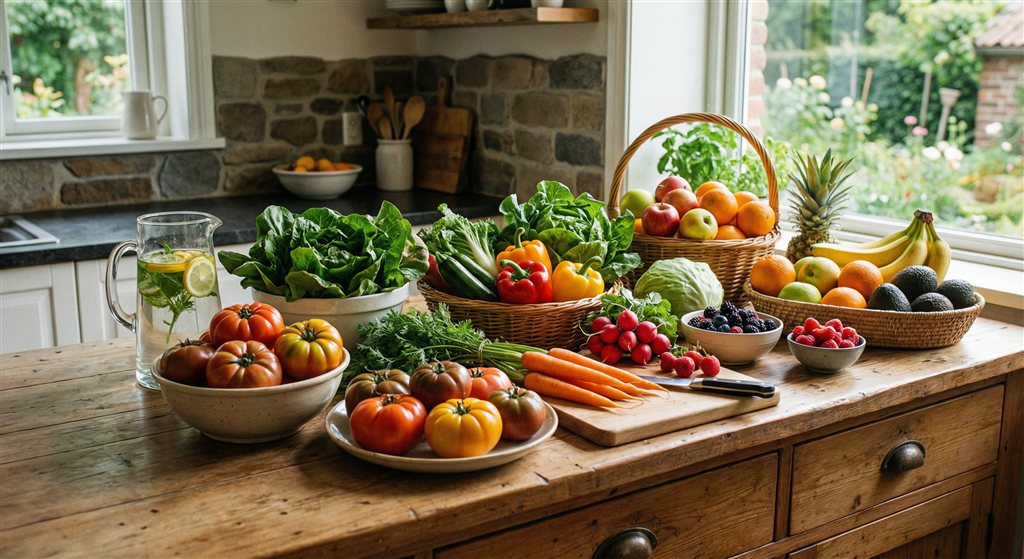
Many cultures use plants and botanical ingredients in food and traditional practices. Below is a general overview of how such ingredients are often categorised. This is educational context only.

Leaves
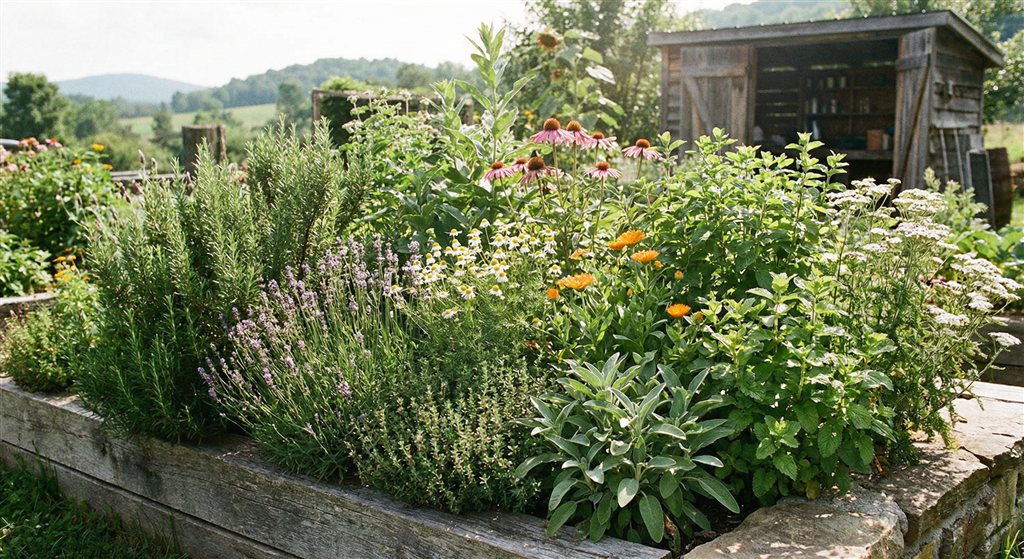
Many plants provide ingredients from their leaves, used in various dietary traditions. General background only.
Roots
Root-based ingredients have been part of many cultural practices. Informational overview.

Seeds
Seeds from various plants are used in different contexts. For information only.

Vitamins and Minerals Overview
Vitamins and minerals are present in many everyday foods, including vegetables, fruits, grains and legumes. This section describes how they are commonly discussed in nutrition information. We do not give doses or individual recommendations.
Lifestyle Factors
General wellbeing is often linked in public information to factors such as diet, physical activity, rest and stress. This text presents that context in an informational way. The site does not advise or influence personal decisions.
Reading Information Sources
Product labels and information sources can help you orient yourself. This section offers general guidance on how such information is often structured. We do not endorse specific products or brands.

Cultural and Regional Diversity
Approaches to nutrition and natural ingredients vary by culture, region and personal choice. This site presents general information and does not favour one approach over another. Individual choices should be made with qualified professionals where appropriate.
Terminology Glossary
- Natural ingredients: substances from plants, minerals or other natural sources, as commonly used in dietary and care contexts.
- Plant-based: derived from plants; used here in an informational sense only.
- Dietary context: how nutrients and ingredients are discussed in relation to food and eating habits.

Individual Context Matters
Information about natural ingredients is most useful when considered in the context of your own situation, diet and lifestyle. This site explains concepts and does not replace personalised advice.

Limitations and Context
Educational content only. No promises of outcomes.
All content on this site is for information and education only. It does not constitute individual advice or recommendations. Approaches to diet and lifestyle vary; this site does not replace personal decisions or consultations with qualified professionals. We do not sell products or services.